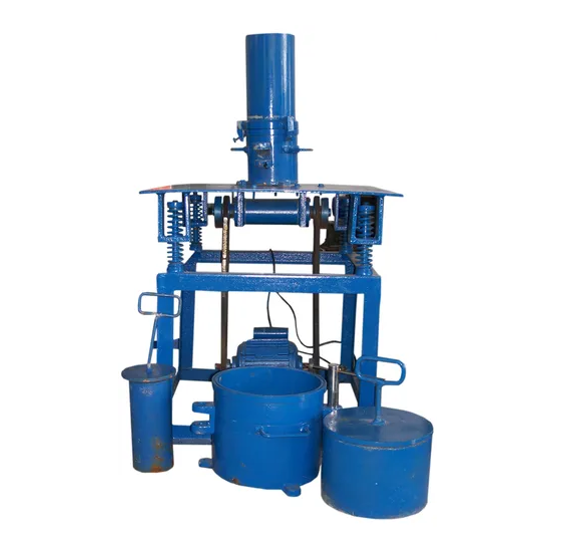
Relative Density Test (ME RDT)
The Relative Density Test is an important test in civil engineering that helps determine the relative compactness of cohesionless soils, such as sands and gravels.
Product Overview
The Relative Density Test is an important test in civil engineering that helps determine the relative compactness of cohesionless soils, such as sands and gravels.
The Relative Density Test is an important test
in civil engineering that helps determine the
relative compactness of cohesionless soils,
such as sands and gravels.
Application: It’s particularly useful in
geotechnical investigations to assess soil
stability for construction projects.
Understanding the relative density of soil
is essential for ensuring that structures
are built on a solid foundation.
For more details please refer datasheet.
Technical Specifications
The Relative Density Test is an important test
in civil engineering that helps determine the
relative compactness of cohesionless soils,
such as sands and gravels.
Application: It’s particularly useful in
geotechnical investigations to assess soil
stability for construction projects.
Understanding the relative density of soil
is essential for ensuring that structures
are built on a solid foundation.
For more details please refer datasheet.
Talk To Our Technical Experts
Related Products
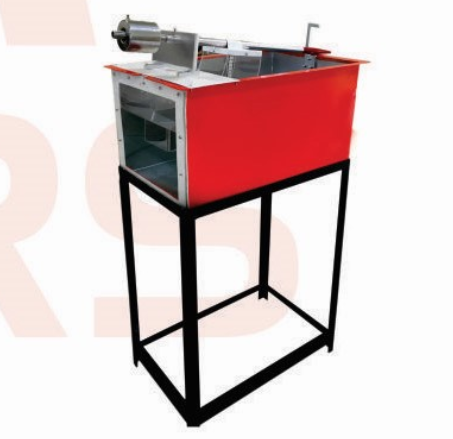
Centre of Pressure (Hydrostatic Force) Apparatus (GN 7250)
L shaped submerged body 100mm x 100mm x 200mm, leak proof made of
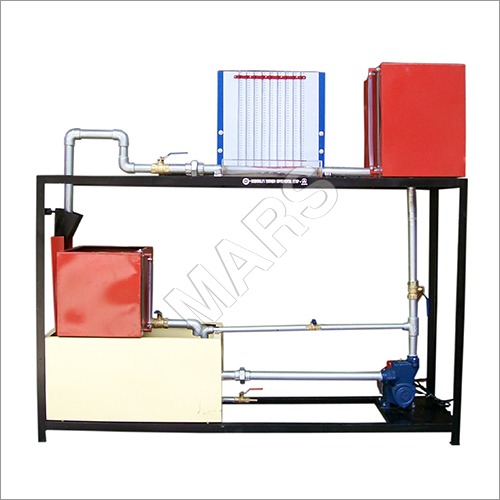
Bernoulli's Theorem Apparatus (GN 7201)
Hydraulic grade line & the total energy line along the flow section can be plotted & can be studied
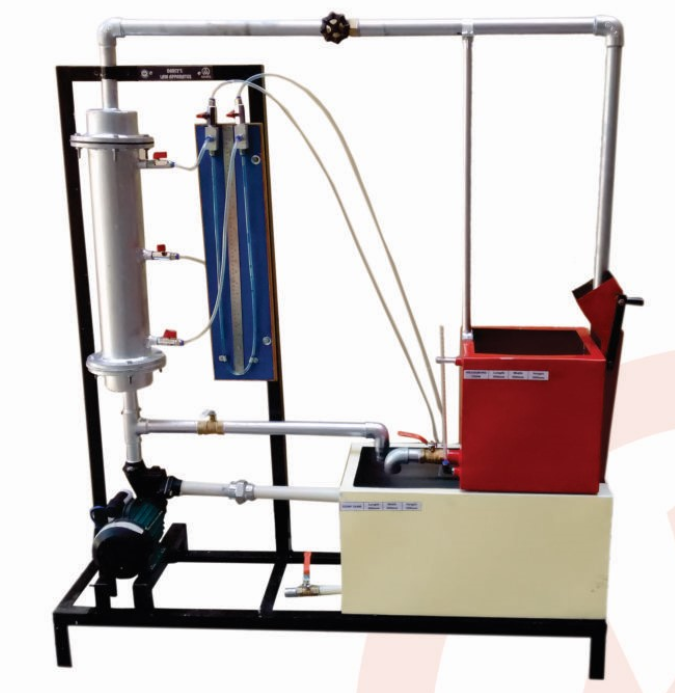
Darcy's Law Apparatus (GN 7252)
To study the friction in different pipes and different diameters
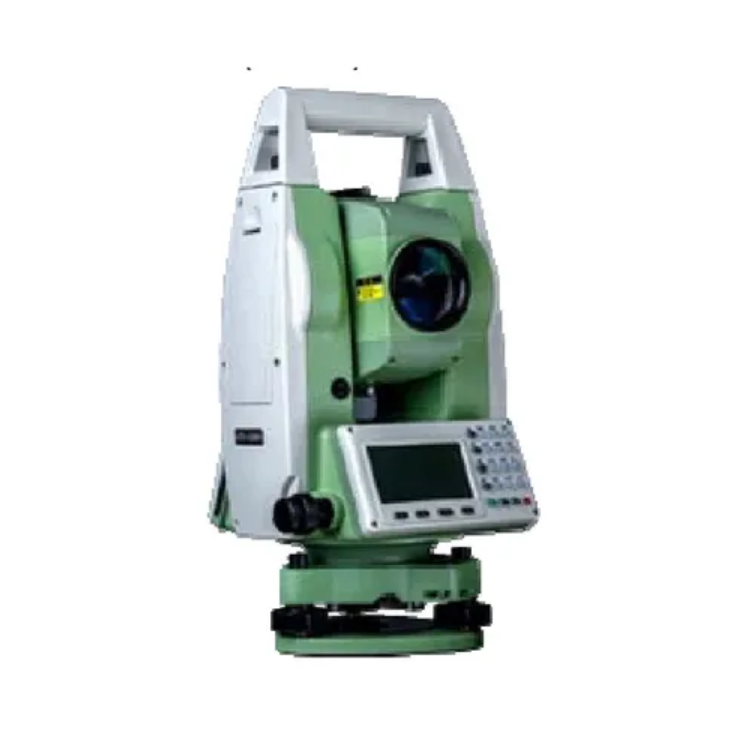
Survey Lab Equipment Total Station (ME TS-30X )
Calculation, Sub Area division , reference Line, COGO, Projection Systems, National grids System , select Geoids, Grid to Ground , select Coordinate in order NEZ & ENZ , settings (units, precision,